GB Test Lab
A downloadable cartridge
A cartridge that tests the machine it sits in
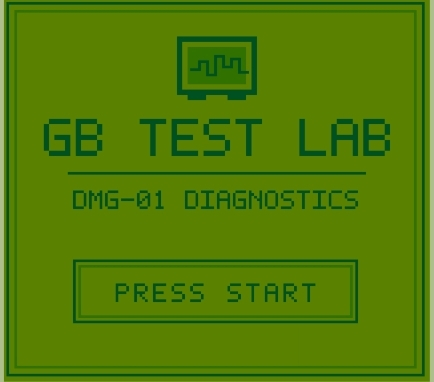
A Game Boy that switches on and runs a game seems fine. But is it really? Does the link port still work? Is there a loose contact in the cartridge slot? Is the screen still the original one? This cartridge finds out. Plug it in and it checks the console, part by part.
Nintendo had one first
Back in the day, Nintendo’s repair centres used their own test cartridge, marked DMG-AGING-01. Most test carts you can find today show a pattern and leave the judging to you. That’s fine for the screen, but not much help for anything else. So wherever the hardware allows it, the GB Test Lab measures instead of guessing.
What it checks
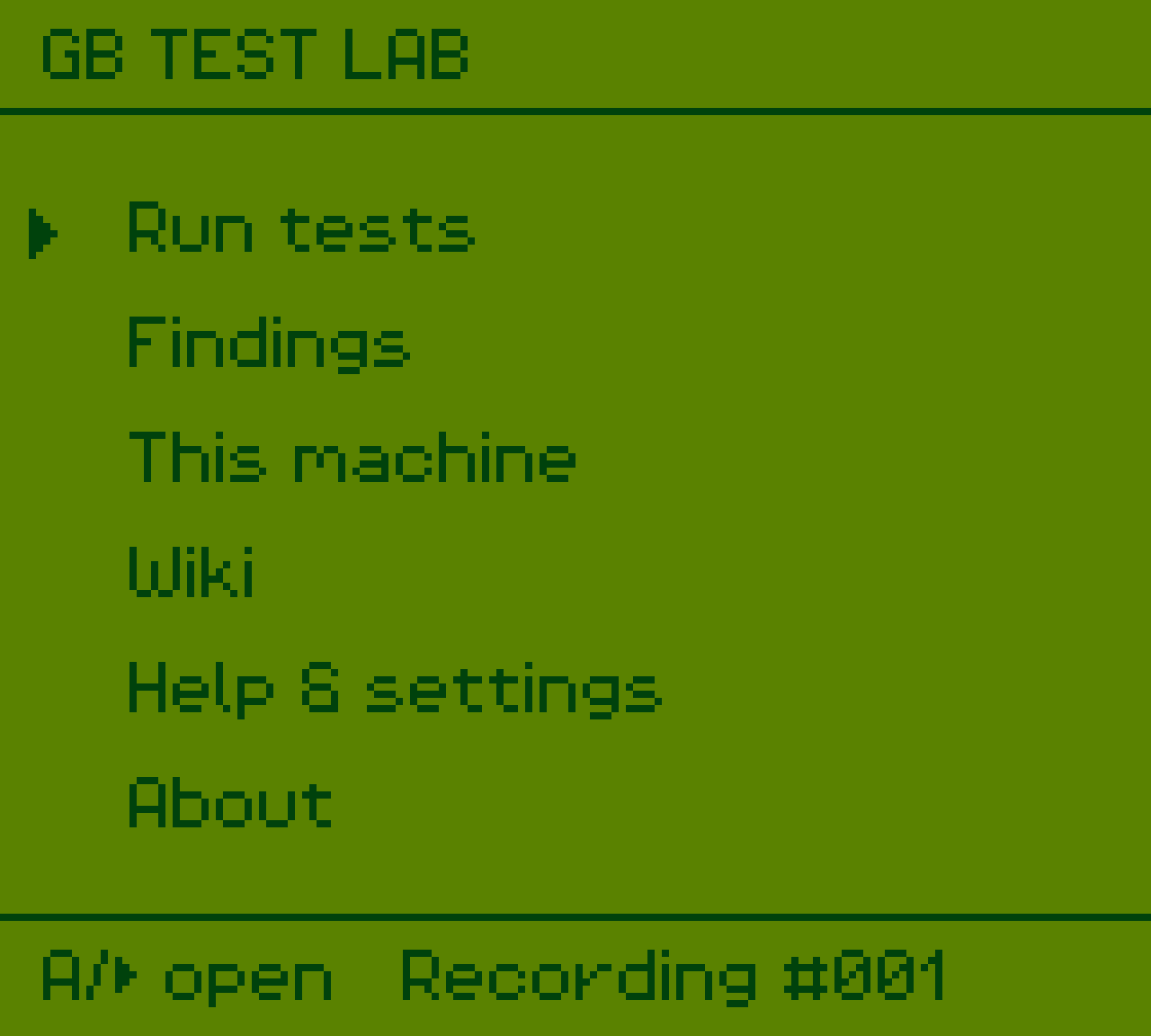
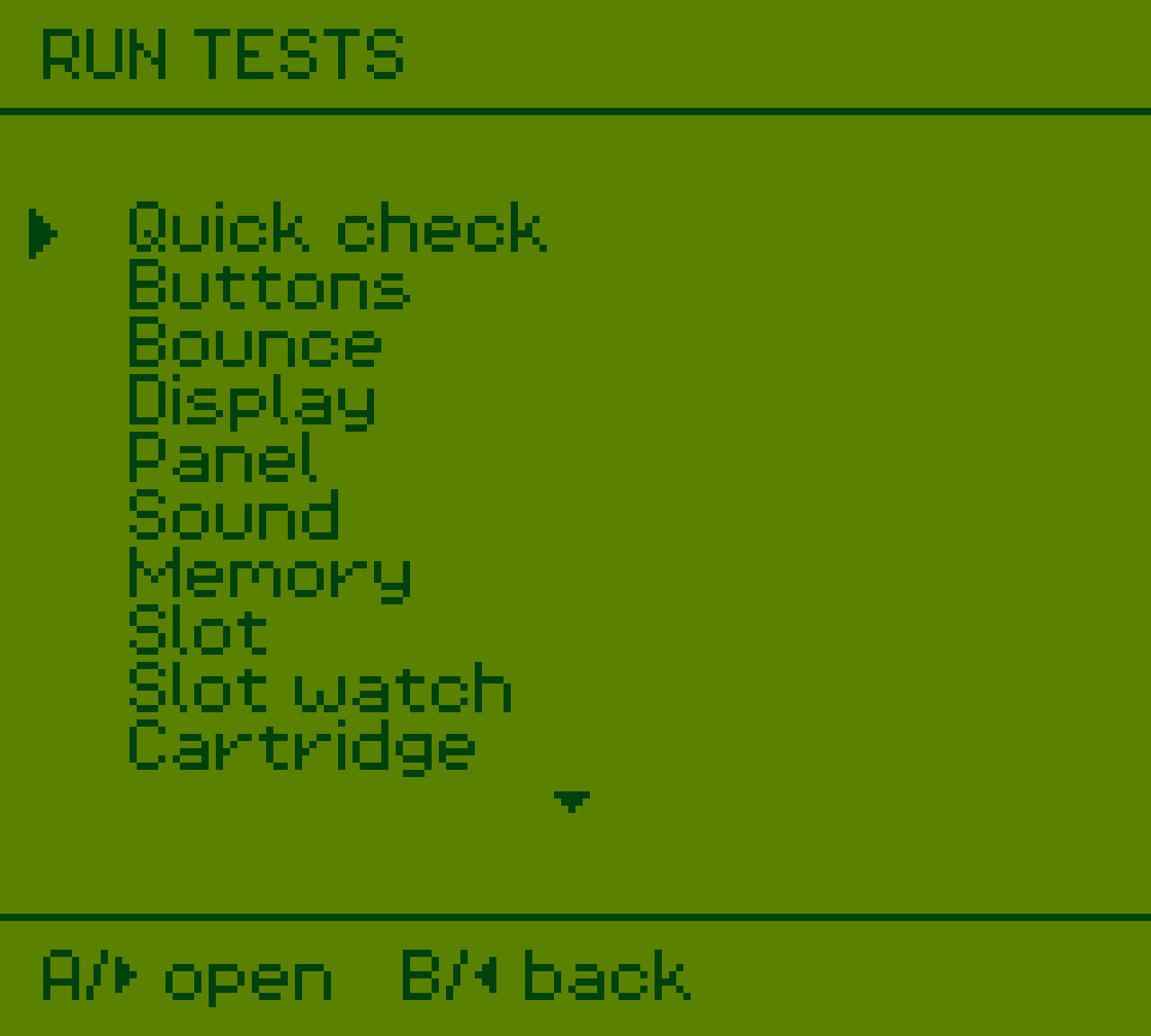
- Quick Check: tests memory, cartridge slot, interrupts and system in one run
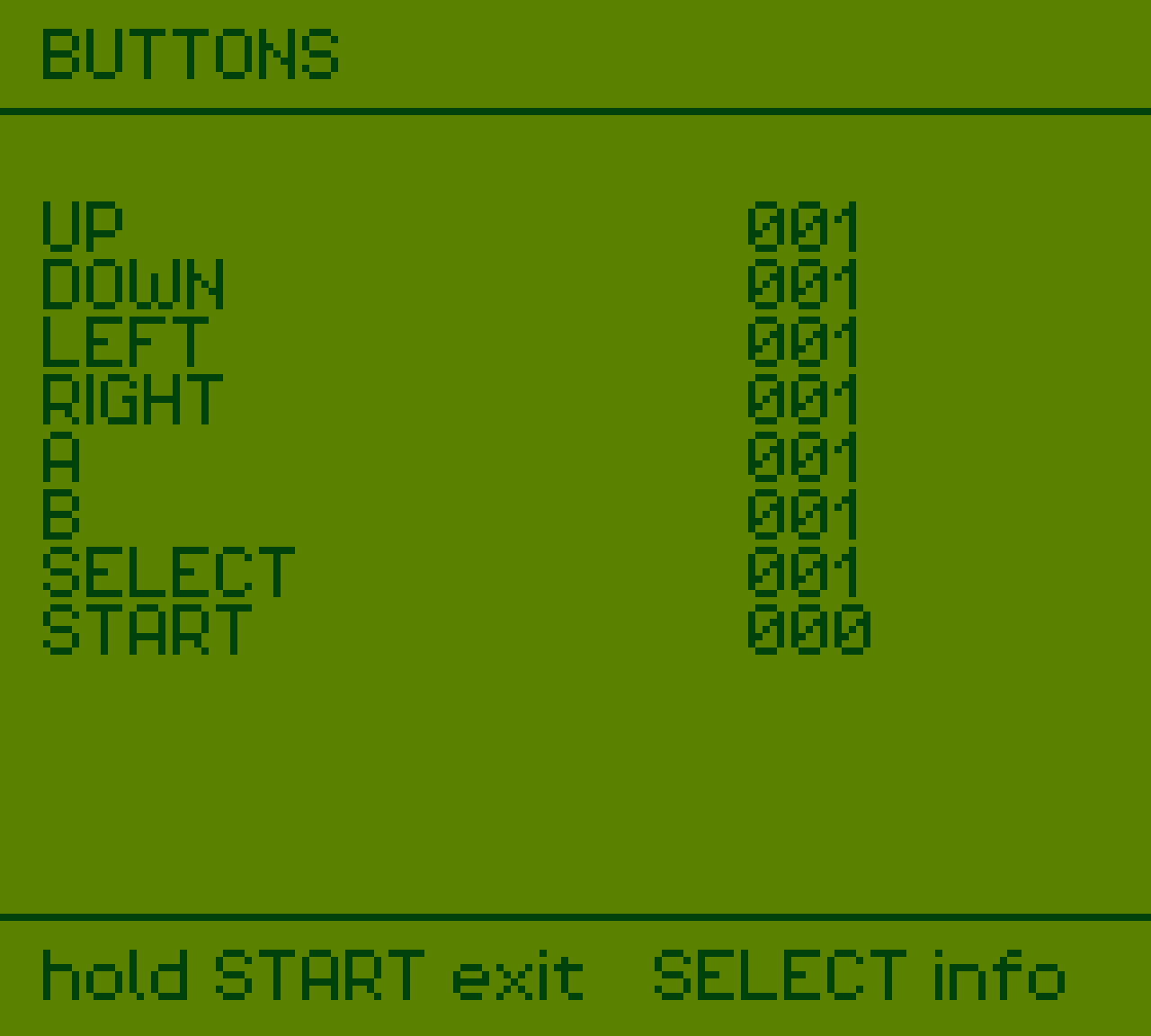
- Buttons: spots worn rubber pads
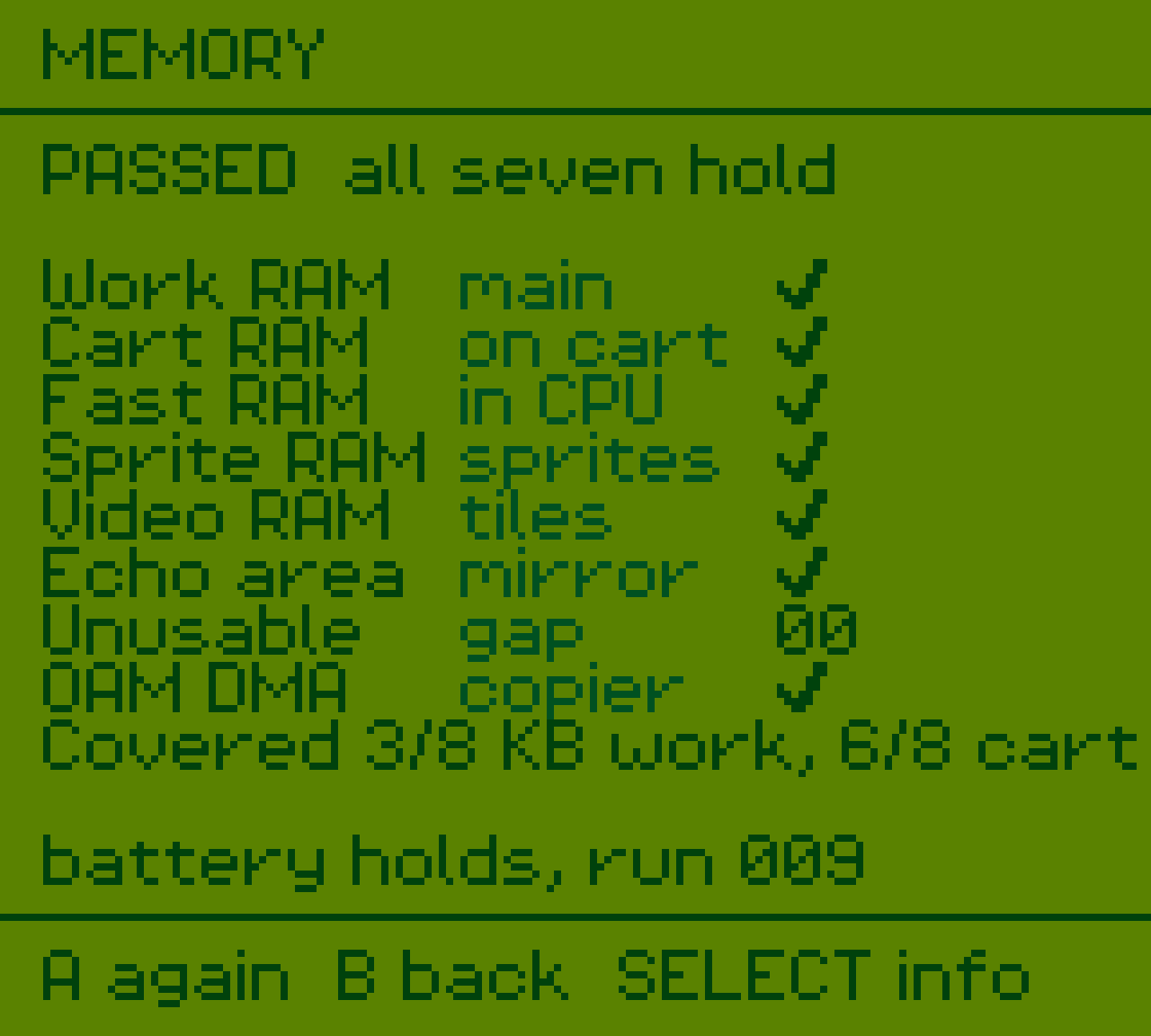
- Memory: tests both RAM chips
- Interrupts: checks the internal signals games rely on for timing and input
- Cartridge slot: finds bad contacts and tells you which one
- Slot watch: catches loose contacts while you wiggle the cartridge
- Cartridge check: tests whether your flash cart is what it claims to be
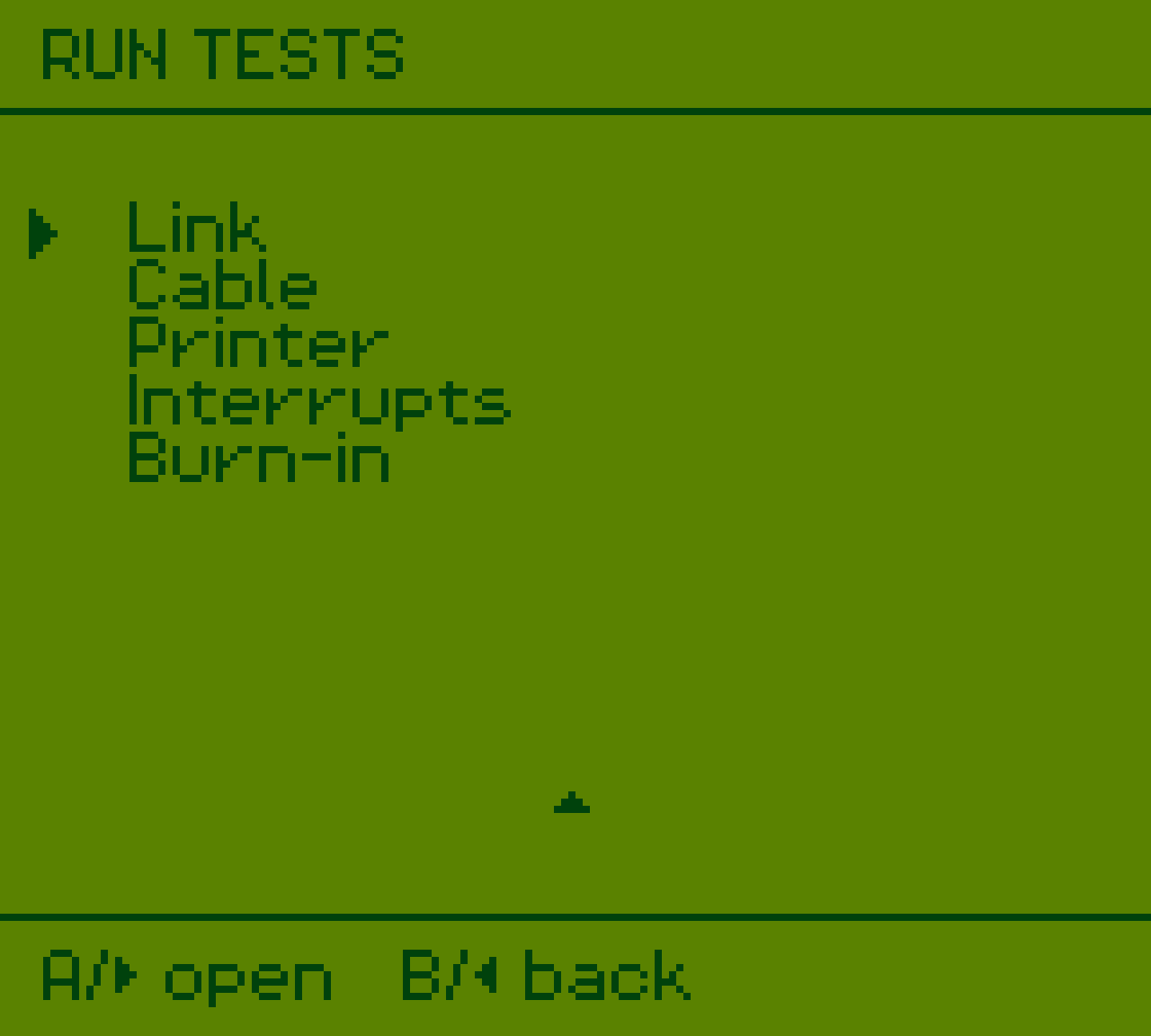
- Link port: tests the port with or without a cable, plus a round of pong with a second Game Boy
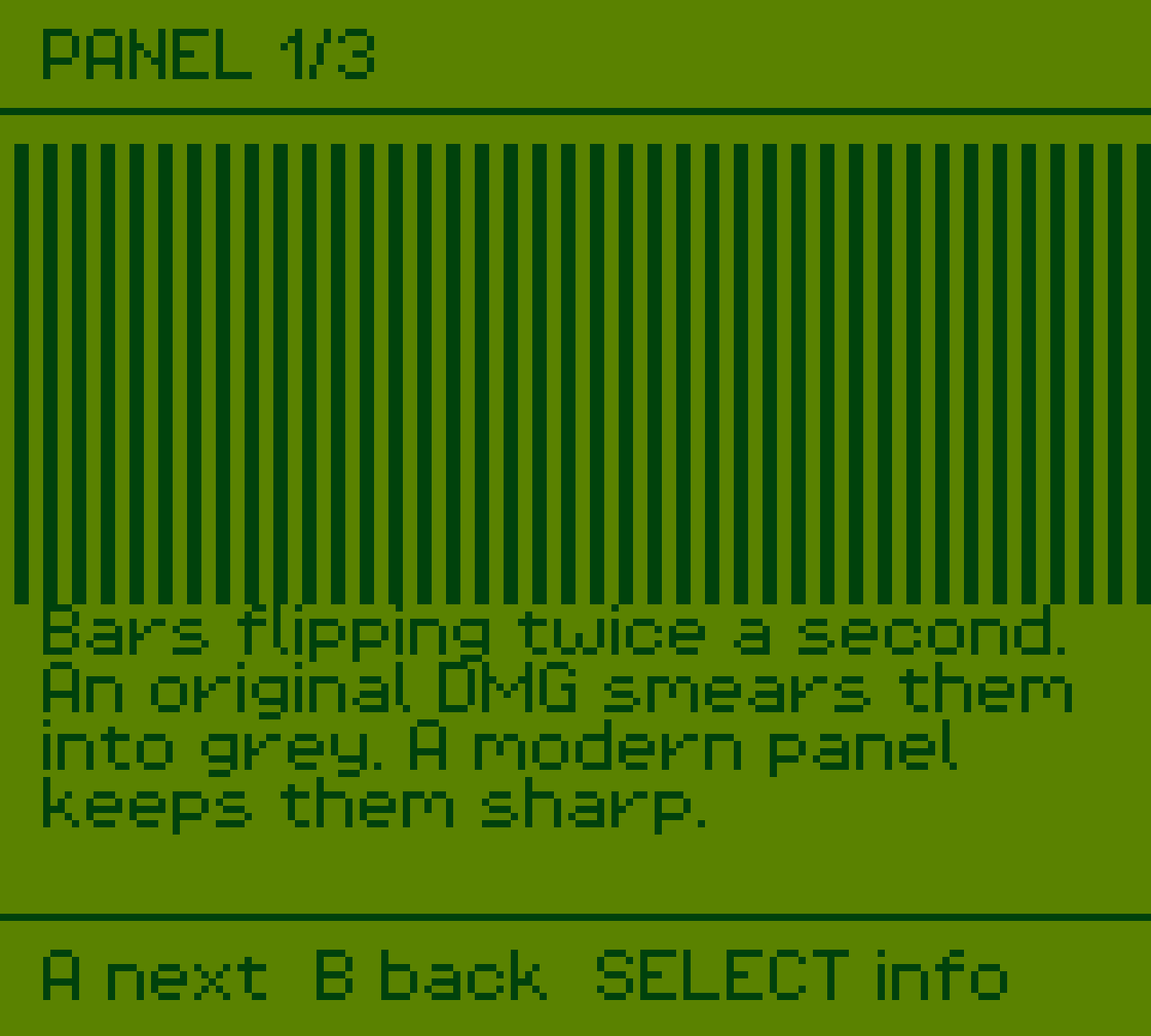
- Screen: helps you spot a replacement display
- Burn-in: puts the console under load to bring out hidden faults
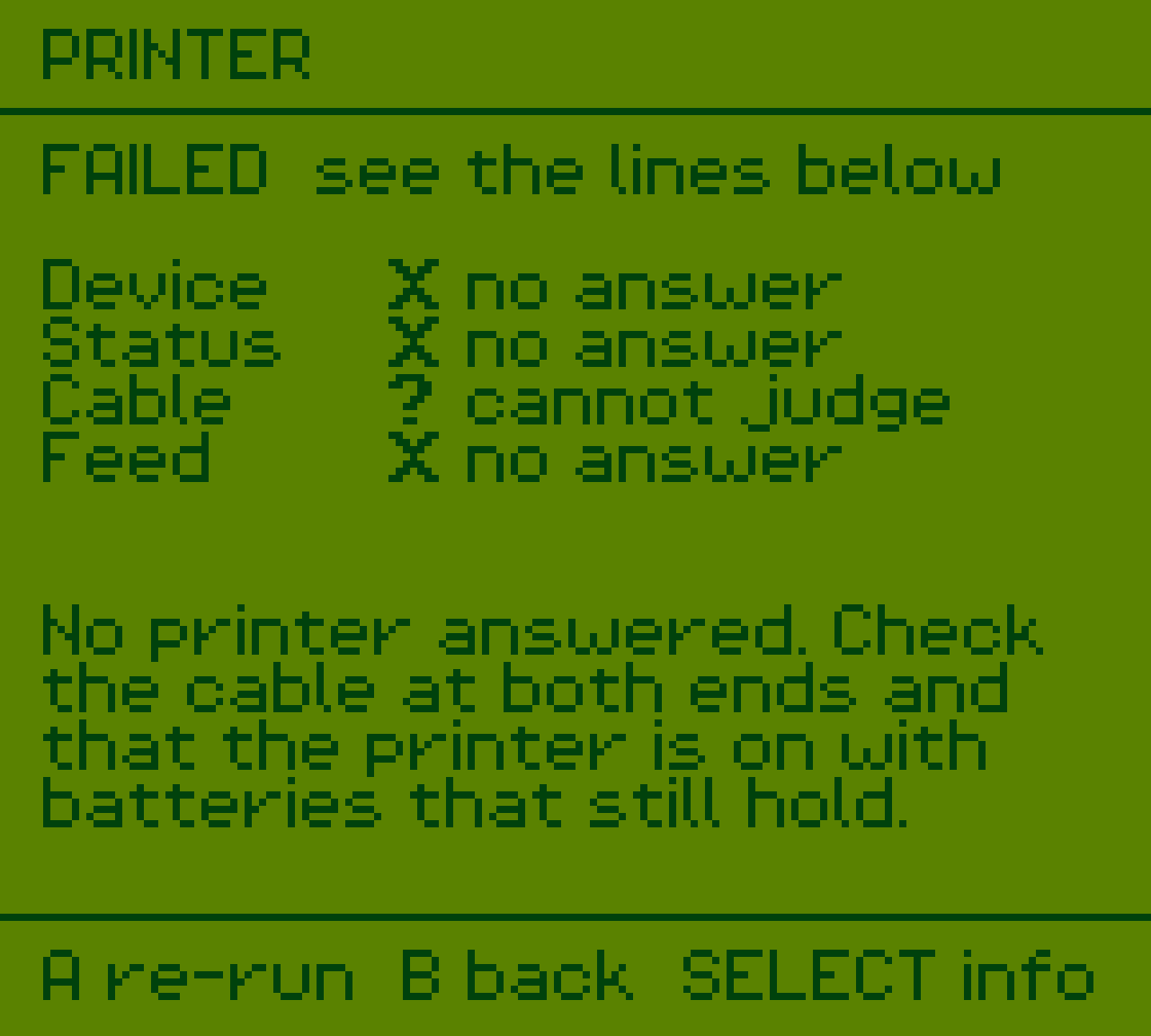
- Game Boy Printer: checks Nintendo's Game Boy printer
Keeping the results
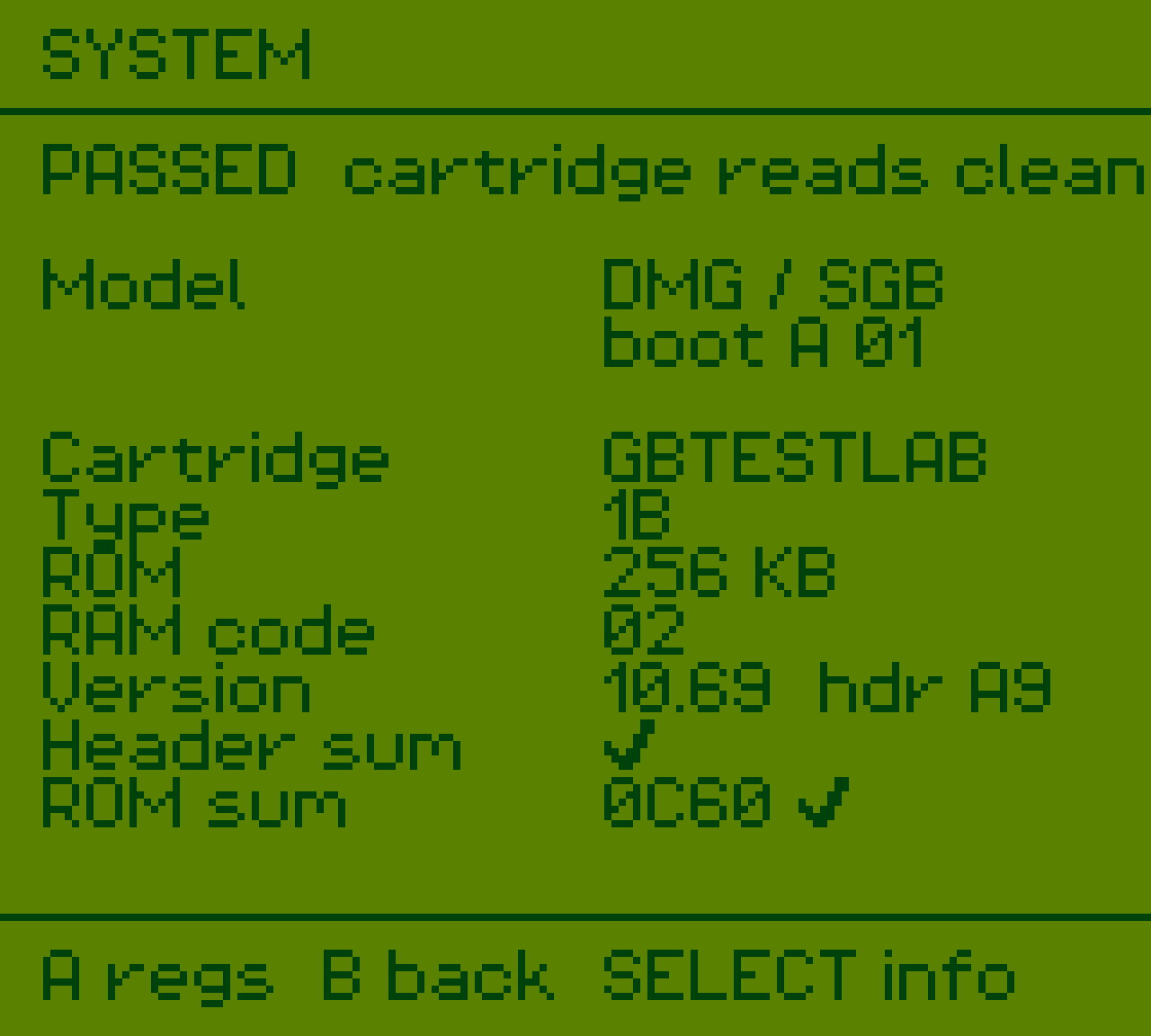
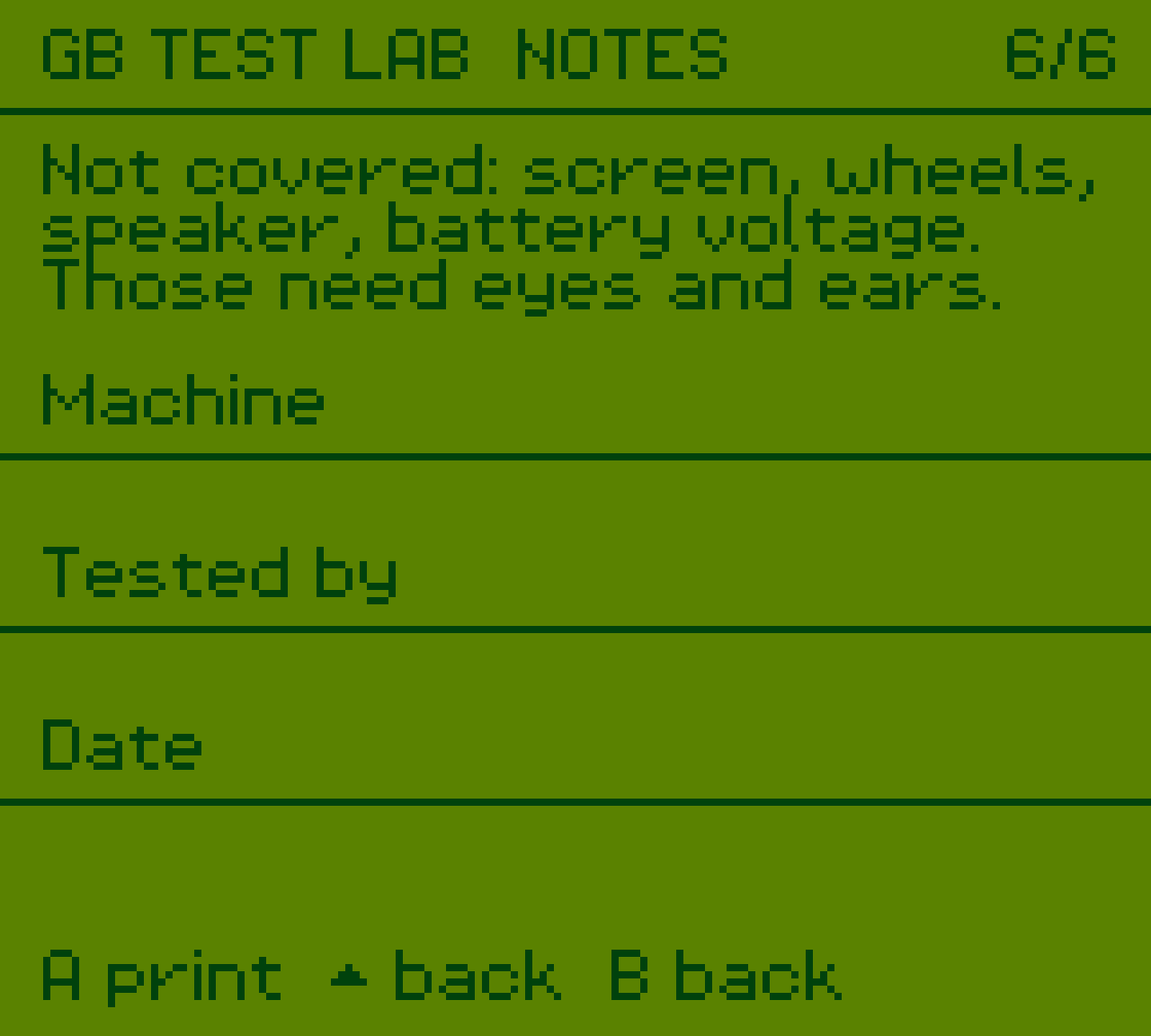
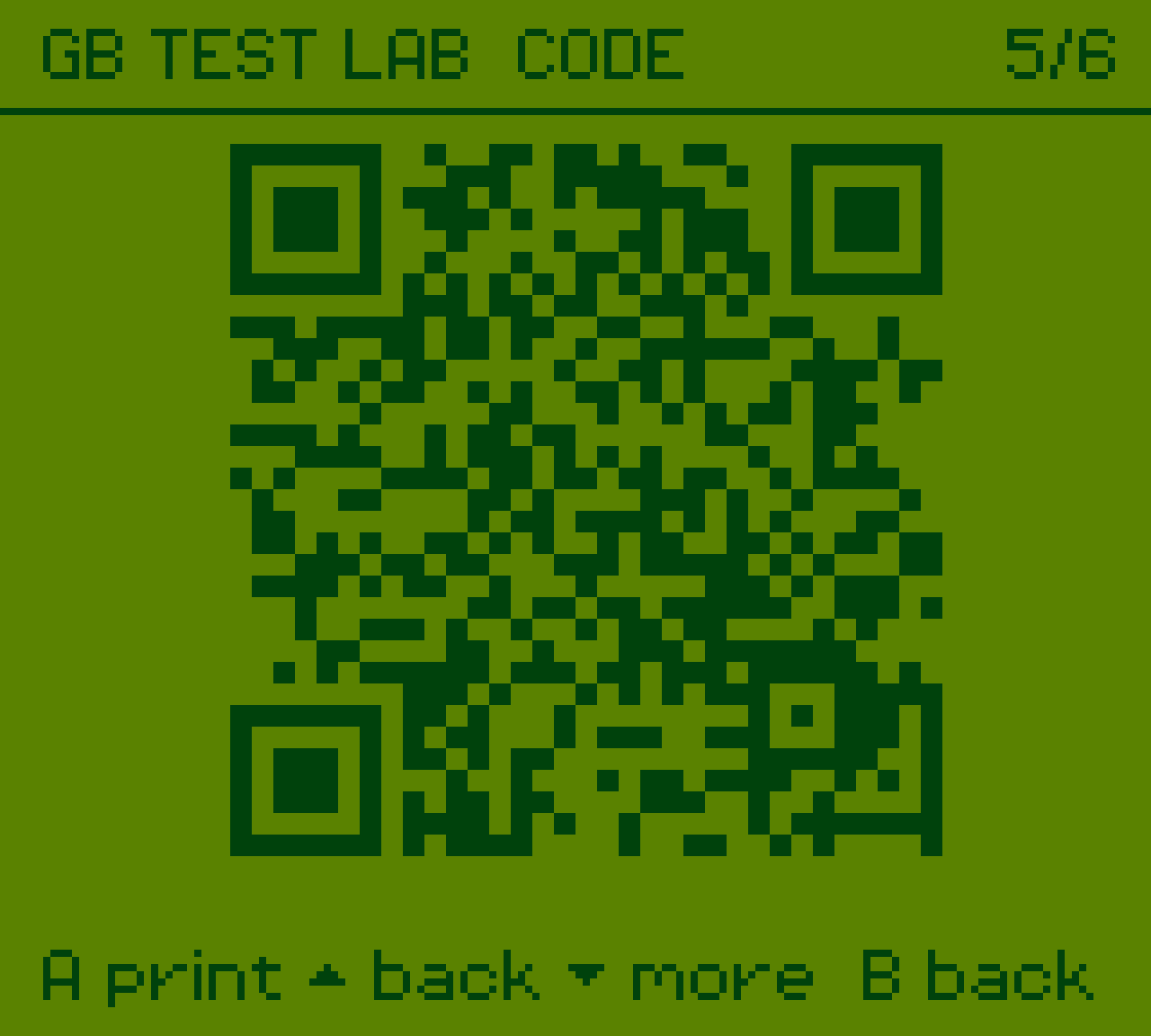
The cartridge remembers every console you test, so you can test again later and see whether results have changed. You can print the results on a real Game Boy Printer, or scan them as a QR code.
There is also a small built-in wiki on the parts of the machine.
What you need
- An original Game Boy (DMG-01). Pocket, Color and later models aren’t supported.
- A flash cartridge with MBC5 and at least 256 KB
- A battery in the flash cart, if you want it to remember your consoles
- Fresh alkaline batteries in the Game Boy. Weak or rechargeable cells cause errors that look like hardware faults.
- Optional: a second Game Boy, a link cable and a second copy of the cartridge for the cable test, and a Game Boy Printer for the report and the printer test
Please note
This is a hobby project, offered as it is and used at your own risk. Only run the burn-in while you’re around to keep an eye on it. A good result is a strong hint, not a guarantee.
More about this cartridge
https://www.gameboymuseum.com/gb-test-suite-cartridge
Disclaimer: This homebrew is a private, non-commercial preservation project. It is not affiliated with, endorsed by or connected to Nintendo Co., Ltd. All product names and trademarks are the property of their respective owners and are used descriptively.
Download
Install instructions
The download contains the ROM. Put it on a flash cartridge with MBC5 and at least 256 KB, then run it on an original Game Boy (DMG-01). The tests only make sense on real hardware. In an emulator every button looks perfect, and the link port and printer tests don't work.